
Is It Safe to Buy Refurbished Electronics?
Consumer anxiety regarding pre-owned technology is often rooted in a fundamental lack of transparency in the secondary electronics market. Buyers frequently conflate “used” items with “refurbished” electronics, a misunderstanding that consistently leads to poor procurement decisions and wasted capital.
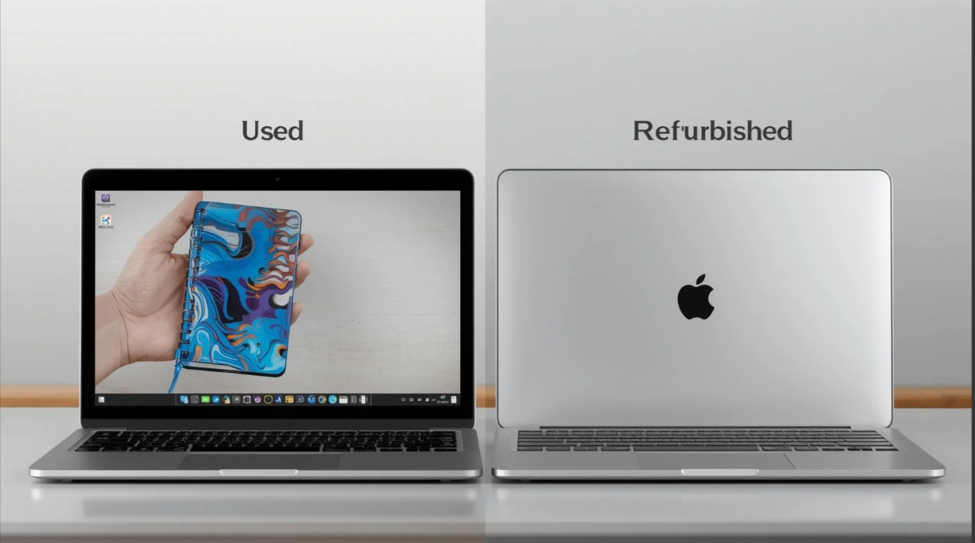
Generic used devices carry immense hidden liabilities, ranging from compromised hardware integrity to severe data security risks. In stark contrast, professional certified refurbishment is a systematic, engineering-led restoration process that effectively resets a computer’s operational lifecycle, rendering it as stable, secure, and reliable as a brand-new factory unit. Understanding this technical distinction is the key to making a safe, value-driven investment.
The Extreme Risks of Used Hardware (“As-Is”)
Unverified peer-to-peer marketplaces operate almost exclusively on an “as-is” basis. These informal transactions lack any semblance of structural oversight, performance vetting, or dealer accountability. When you purchase a standard used or second-hand machine from a private individual on a classifieds site or auction platform, you inherit several unmitigated risks:
- Zero Diagnostics: You have absolutely no assurance that the motherboard circuitry, memory banks, or CPU logic structures remain operational under sustained high-load conditions.
- Concealed Component Degradation: Latent issues such as hidden liquid corrosion, micro-fractured solder joints on the logic board, or failing storage controllers are common in unverified gear.
- Thermal Obstruction: Internal debris, pet dander, and long-degraded thermal interface material (TIM) trigger sudden system throttling, making the machine sluggish and prone to unexpected shutdowns.
- Data Insecurity: Private sellers rarely perform proper, NIST-compliant data sanitization. This potentially leaves remnants of the previous owner’s sensitive personal or corporate files on the drive, presenting a severe privacy risk to the new buyer.
The moment physical cash changes hands or an online payment is released, the buyer assumes 100% of the financial and technical liability. If the system experiences a terminal failure ten minutes post-transaction, you have zero legal or financial recourse.
The Certified Refurbished Process Framework
Professional reconditioning is not merely “cleaning”—it is a rigorous remediation workflow designed to eliminate operational variables. Certified hardware undergoes a meticulous, multi-point engineering process to restore factory-fresh standards:
┌─────────────────────────────────────────────────────────────────┐
│ The Professional Certification Matrix │
├──────────────────┬───────────────────────┬──────────────────────┤
│ Validation Stage │ Technical Action │ Operational Benefit │
├──────────────────┼───────────────────────┼──────────────────────┤
│ Logic/RAM Test │ Full Stress-Testing │ Logic Board Stability│
│ Storage Audit │ S.M.A.R.T. Check │ Zero Bad Sectors │
│ Battery Health │ Capacity Calibration │ 80%-85%+ Capacity │
│ Thermal Repair │ Paste & Fan Service │ Prevents Throttling │
│ Security/Data │ Military-Grade Wipe │ Clean/Secure OS │
└──────────────────┴───────────────────────┴──────────────────────┘
This engineering-led process effectively resets the device’s “wear clock,” ensuring that the machine is ready for immediate, high-load deployment in your home or office.
Decoding Sourcing Tiers and Market Choices
Where you choose to source your hardware dictates your safety profile. Not all “pre-owned” labels carry the same weight:
- High-Volume Marketplaces: Platforms like Amazon Laptops rely heavily on third-party marketplace sellers. While convenient, individual seller quality control standards vary wildly. You may receive a perfectly tested machine one day and a poorly configured one the next, lacking centralized, consistent quality control.
- Big-Box Retailers: A “Best Buy” refurbished MacBook provides baseline store guarantees, which is an improvement over private sales. However, these units often lack the personalized, component-level calibration and “white-glove” thermal service provided by independent, specialized diagnostic labs.
- Unverified Channels: Avoid hunting for “free” laptops or ultra-cheap peer-to-peer listings. These sources frequently distribute obsolete, locked (MDM-restricted), or dangerously unstable machinery with zero technical support.
A truly secure, professional technology purchase depends entirely on sourcing your hardware from an established entity that provides a minimum 90-day to 1-year binding hardware warranty and an explicit, written return window.
Conclusion: Validation Eliminates the Gamble
Rigorous technical validation and dealer accountability are the specific mechanisms that eliminate the inherent risks of pre-owned technology. Professional certification provides high-performance, stable computing at a mere fraction of the cost of brand-new retail devices. By deliberately bypassing unverified private channels, you secure battle-tested hardware backed by formal, binding guarantees.
Do not settle for the “as-is” lottery. When you choose certified hardware, you are choosing performance, security, and long-term peace of mind.
Inspect Our Certified Inventory
Do not risk your hard-earned capital on unverified, “as-is” hardware. [Visit our physical retail showroom today to personally inspect, stress-test, and deploy our rigorously certified, fully protected computing inventory.] Let our on-site technical team show you our diagnostic health logs and help you build a professional-grade setup that is ready for work the second you plug it in.