
Enterprise hardware procurement is no longer about simply choosing the newest device available. Modern businesses, professionals, and technology managers must evaluate hardware based on long-term reliability, operational stability, maintenance costs, and total ownership value.
When comparing a brand-new laptop with a certified refurbished business laptop, many buyers automatically assume that a factory-sealed product is always the safer investment. However, hardware reliability is not determined only by the date of manufacture. The true performance lifecycle of a computer depends on its engineering architecture, component quality, thermal design, and refurbishment standards.
While browsing different options among new laptops for sale, buyers often focus on processor speed, storage capacity, and appearance. These specifications are important, but they do not reveal the complete reliability profile of a machine. A premium business laptop that has been professionally refurbished can often provide better durability and longer service life compared to a lower-cost consumer laptop purchased brand new.
This detailed hardware analysis explains the structural, electrical, and economic differences between new consumer laptops and certified refurbished business systems.
Business-Grade Structural Architecture: Designed for Long-Term Professional Use
Professional laptops experience significantly more stress compared to normal home devices. Business systems are expected to survive daily transportation, extended working hours, frequent opening and closing of the display, keyboard pressure, and continuous processing workloads.
Enterprise laptops from manufacturers like Lenovo, Dell, and HP are specifically engineered for these environments. Their designs prioritize durability, serviceability, and consistent performance over lightweight appearance.
Consumer laptops usually prioritize affordability and attractive designs. Many models use thin plastic frames or lightweight aluminum shells designed mainly for retail appeal. Although these devices may look premium, their internal structures are often less resistant to physical stress.
Over time, repeated pressure on weaker chassis designs can transfer stress directly to internal components, including the motherboard, display connectors, and solder joints. This increases the chance of hardware failure.
1. Advanced Structural Materials and Internal Protection
Premium business laptops use stronger internal engineering methods to protect sensitive electronics.
Common enterprise design features include:
Magnesium Alloy Roll Cages
A magnesium alloy internal frame acts like a protective skeleton around the motherboard. This structure absorbs physical impact and reduces chassis bending.
The result is:
- Better motherboard protection
- Reduced internal stress
- Higher resistance against accidental drops
- Longer hardware lifespan
Reinforced Display Hinges
Laptop hinges are one of the most common mechanical failure points. Consumer laptops often attach hinges to plastic mounts, which can weaken after years of use.
Business laptops use reinforced metal hinge assemblies connected directly to stronger internal structures. These designs maintain display stability through thousands of opening and closing cycles.
Spill-Resistant Keyboards
Enterprise keyboards often include protective drainage systems. In case of accidental liquid exposure, the design helps redirect moisture away from critical electronic components.
This reduces the risk of immediate motherboard damage and improves device reliability.
2. MIL-STD Durability Testing and Enterprise Validation
Many professional laptop platforms undergo military-standard durability testing, commonly referred to as MIL-STD testing.
These tests evaluate how systems perform under different environmental conditions:
Mechanical Shock Testing
Devices are tested against physical impacts to confirm that internal components remain protected.
Vibration Testing
This simulates transportation conditions and repeated movement during daily professional usage.
Thermal Stress Testing
Rapid temperature changes are used to verify that materials expand and contract without damaging internal circuits.
These engineering standards help explain why enterprise laptops often maintain performance years after deployment.
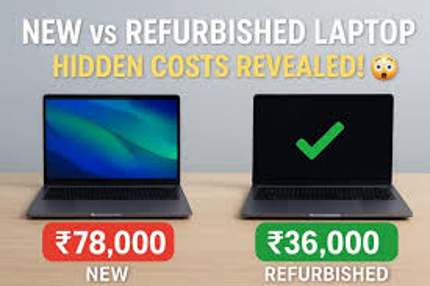
The Refurbished Advantage: Premium Hardware Without Premium Depreciation
Certified refurbished laptops provide an opportunity to access high-end enterprise engineering at a lower investment.
Instead of purchasing an entry-level consumer laptop with lower durability, buyers can acquire previously deployed business-class systems that were originally designed for corporate environments.
Computing Hardware Lifecycle Comparison
[New Consumer Laptop]
|
↓
Lower-cost materials + limited serviceability
|
↓
Shorter upgrade and repair options
[Certified Refurbished Business Laptop]
|
↓
Enterprise testing + modular components
|
↓
Extended operational lifecycle
A professionally refurbished system is not simply a used device. It undergoes inspection, testing, cleaning, component validation, and quality checks before being returned to the market.
High-End Component Quality and Enterprise Hardware Benefits
Business-class laptops typically include higher-quality internal components compared to budget consumer models.
Certified refurbished systems can provide access to:
Enterprise-Level Processors
Many business laptops feature Intel Core i5, Core i7, or AMD Ryzen PRO processors designed for stable professional workloads.
Benefits include:
- Better multitasking performance
- Improved security features
- Long-term driver support
- Reliable business operation
Professional Display Technology
Enterprise laptops often include:
- Anti-glare panels
- Better viewing angles
- Improved brightness consistency
- Reduced eye strain during long work sessions
These features are designed for employees who spend many hours working on their devices.
Thermal Engineering and Long-Term Performance
Heat is one of the biggest factors affecting electronic lifespan.
Consumer laptops often use smaller cooling systems to achieve thinner designs. Over time, dust buildup and aging thermal materials can reduce cooling efficiency.
Enterprise systems typically feature:
- Larger copper heat pipes
- Improved airflow designs
- Stronger cooling fans
- Better thermal management
During professional refurbishment, technicians can clean cooling systems, replace thermal compounds, and restore efficient heat transfer.
This helps maintain stable processor performance and prevents thermal throttling.
Component Modularity: The Hidden Value of Business Laptops
One of the biggest differences between consumer and enterprise laptops is repairability.
Many consumer devices use:
- Soldered memory
- Limited upgrade options
- Integrated components
Business laptops often provide:
- Replaceable RAM modules
- Upgradeable SSD storage
- Accessible cooling systems
- Easier component replacement
This reduces repair costs and extends the usable life of the hardware.
Final Verdict: Which Option Provides Better Value?
Choosing between a new laptop and a certified refurbished business laptop depends on your priorities.
A new consumer laptop may provide the latest design and technology, but it often sacrifices durability and serviceability.
A certified refurbished business laptop provides:
- Enterprise-grade construction
- Proven reliability
- Better repair options
- Lower depreciation
- Strong long-term value
For professionals, businesses, and organizations focused on productivity, refurbished enterprise hardware can deliver a better balance between performance, reliability, and investment efficiency.
The smartest hardware decision is not always buying the newest machine. It is choosing a system engineered to deliver dependable performance throughout its entire lifecycle.